India is not lacking for landmark sites, but in among the temples and forts are sites that are somewhat different from the typical tourist postcard images of such sites – abandoned villages, cursed forts, and lakes with an enigmatic history that remains unknown to us. For those who want to see sites that have more to tell than just being picturesque, this is the guide for you.
Why Mysterious Places in India Attract So Many Travelers
It is partly a matter of history; India has had thousands of years of empires, wars, invasions, belief systems all heaped upon one another, and some things that happened in India’s past have no neat explanation. It is partly a matter of scale; India is big enough that whole villages, forts, and lakes can lie undiscovered for decades until explorers happen upon them again. However you look at it, mysterious spots in India have always attracted a certain sort of traveler – one seeking a tale, not a snap.
Bhangarh Fort, Rajasthan
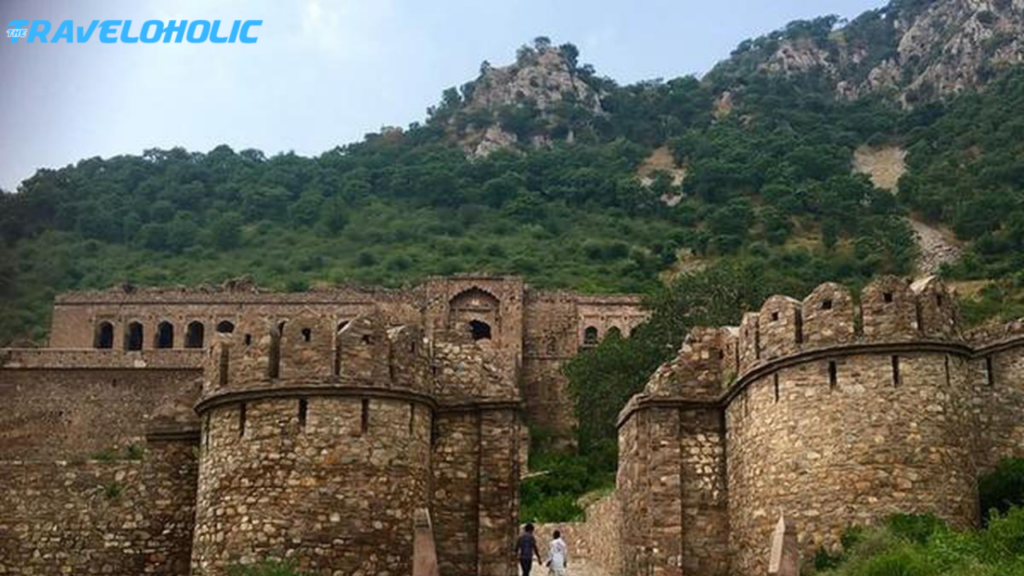
The first place which one is likely to hear about when talking about the mystic sites in India is Bhangarh. Though an active city back in the 17th century, it was deserted long ago, and according to popular belief, this happened because of the curse brought by the rivalry between the magician and the princess. Regardless of the actual reasons why Bhangarh was deserted, today no one can enter the ruins after sunset. In the daytime, Bhangarh is just a very interesting ruin with temples, gates, and other buildings.
Kuldhara, Rajasthan
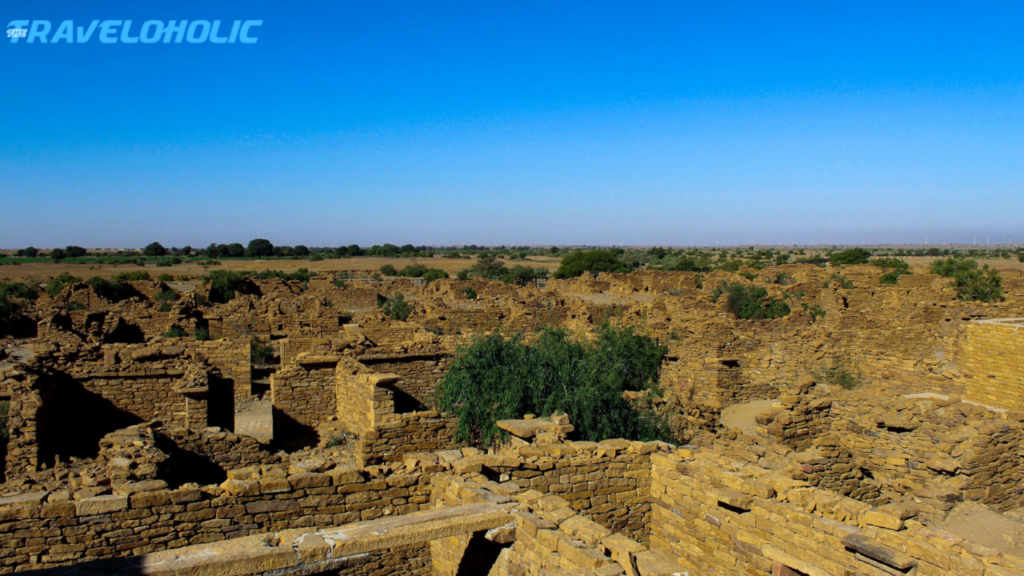
Kuldhara is a village located near Jaisalmer that got vacated almost instantaneously nearly two hundred years ago. The most popular explanation behind this phenomenon is that all the inhabitants of the village vacated the village in one night as a result of the demands of a local chieftain, and they placed a curse on the land while they were leaving, and that is why no one lives there even now.
Roopkund Lake, Uttarakhand
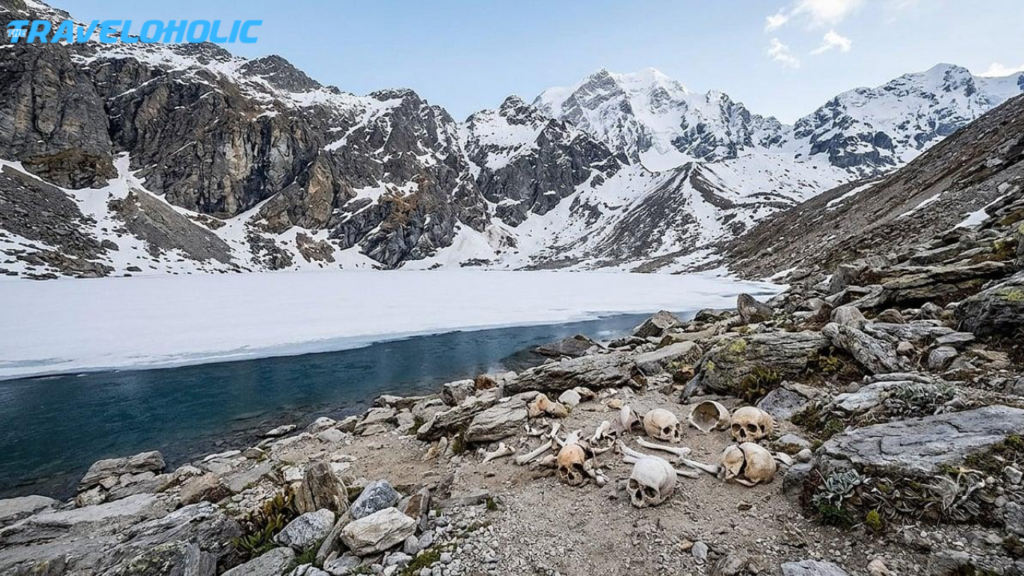
Roopkund is a place situated high up in the Himalayan mountains and is more commonly known by its other name “Skeleton Lake.” A great number of human bones, some dating back hundreds of years, have been found scattered around this lake, and scientists continue to try to find out the circumstances surrounding the deaths of the individuals whose bones were found here.
Jatinga, Assam
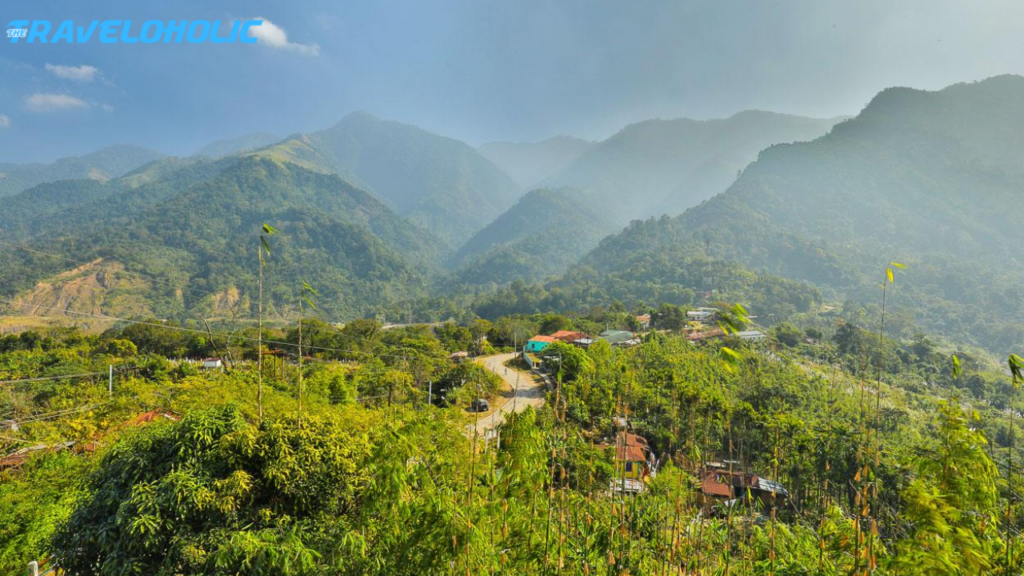
What sets Jatinga apart is an inexplicable mystery — during a brief period every year, birds come to the village and crash into things in what appears to be a hypnotic effect brought about by lights under certain climatic conditions. Various hypotheses have been put forward by scientists in relation to mist, wind, and light, but there has been no concrete explanation yet. It is just an ordinary hill village the other times of the year.
Dumas Beach, Gujarat
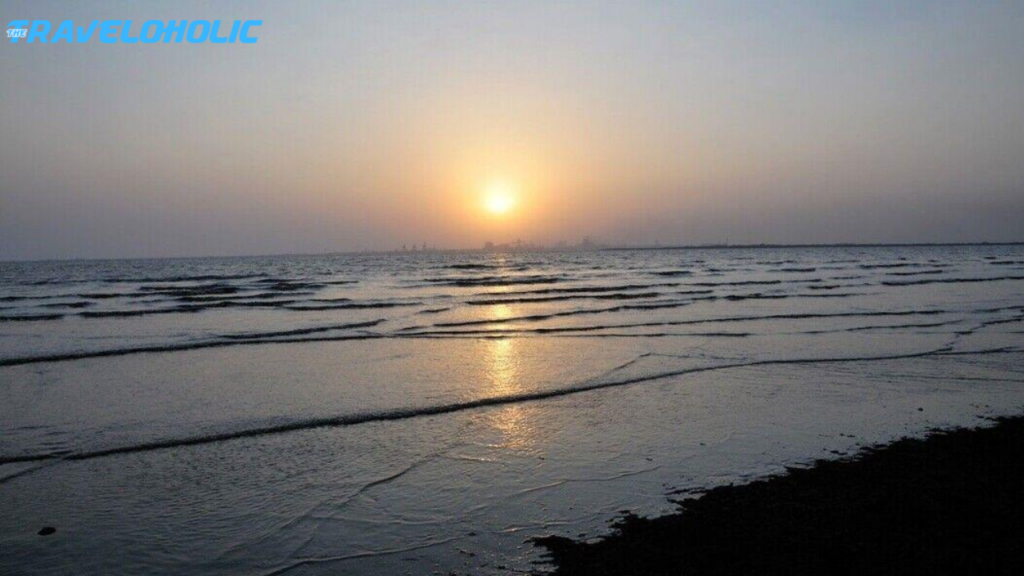
Dumas Beach near Surat looks like an ordinary black-sand beach in daylight, but it has a long-standing reputation as one of India’s more unsettling coastal spots after dark. Local stories tie the area to old cremation grounds nearby, and residents often mention strange sounds or unease around the beach at night. Whether or not any of it holds up, the atmosphere alone is enough to explain why the stories keep circulating.
Jal Mahal, Jaipur
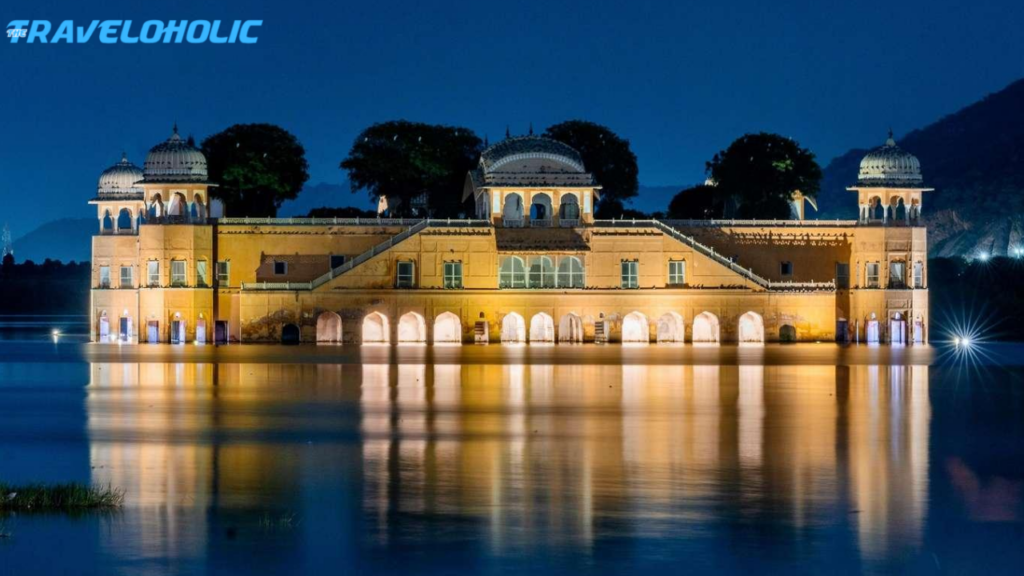
Jal Mahal is no less spooky than enchanting, looking like a floating palace right in the middle of the lake, whose lower parts lie under water. This construction was not deliberately created that way; because of the dam project undertaken several hundred years ago, the water level increased and engulfed the building. This hunting resort became one of the most photographed landmarks of Jaipur. Though you cannot enter the building, its sight is really amazing, especially at night time.
Things to Keep in Mind When Visiting
- Respect local rules and timings, especially at sites like Bhangarh where entry after sunset is officially restricted.
- Some sites require real effort to reach, like Roopkund, which means proper planning, gear, and sometimes a guide.
- Local stories vary by who’s telling them. Treat legends as part of the experience rather than confirmed history.
- Photography etiquette matters at sites tied to death or mourning, like Dumas Beach or old cremation-adjacent locations.
A Simple Route for a Mystery-Themed Trip
- Stop 1: Jaipur — Jal Mahal, easy to combine with the city’s usual sightseeing
- Stop 2: Jaisalmer — Kuldhara, best visited in the late afternoon
- Stop 3: Bhangarh, reachable as a day trip from Jaipur or Alwar
- Stop 4 (for serious trekkers): Roopkund, requiring a multi-day Himalayan trek
- Optional stop: Jatinga or Dumas Beach, depending on which region of the trip you’re building around
Why This Guide Is Reliable
There is a tendency for Indian stories related to mysterious sites to become exaggerated every time they circulate on the Internet. This guide only focuses on facts about each site, such as their history, accessibility, and legend associated with them, and does not include sensational statements that have no evidence whatsoever. The information presented here will be reviewed from time to time to remain relevant.
Frequently Asked Questions
Is it safe to visit Bhangarh Fort? Yes, during daylight hours. Entry is officially restricted after sunset, and that rule is enforced.
Do I need a guide for Roopkund Lake? It’s strongly recommended. The trek involves high altitude and changing weather, and a local guide or trekking company makes it far safer.
Are these places suitable for families? Some are — Jal Mahal and Kuldhara are easy, low-effort visits. Roopkund is better suited to experienced trekkers only.
What’s the best time of year for this kind of trip? Winter and early spring work well for Rajasthan’s sites, while Roopkund is best attempted in late spring or after monsoon, once snow conditions ease.
Final Thoughts
Indian enigmatic locations are not limited to tales of ghosts alone but offer a unique perspective on the history, geography, and folklore of India. These can range from forts with curses in Rajasthan, abandoned villages in deserts, or enigmatic lakes that are currently under investigation and generally leave a lasting impression on visitors.